Welcome to our comprehensive guide on 304 stainless steel pipes. In this blog, we will explore the features, manufacturing processes, surface treatments, and tips on how to choose the right 304 stainless steel pipe. Stay tuned to learn more about this versatile material.
304 stainless steel pipe is a high-performance alloy pipe widely used in industry, construction, and home furnishing. It is favored for its excellent corrosion resistance, high temperature resistant, and mechanical strength. Its main components are 18% chromium (Cr) and 8% nickel (Ni). It belongs to the austenitic stainless steel family and is suitable for food processing, chemical equipment, medical equipment, and other scenarios.
Characteristics of 304 Stainless Steel Pipe
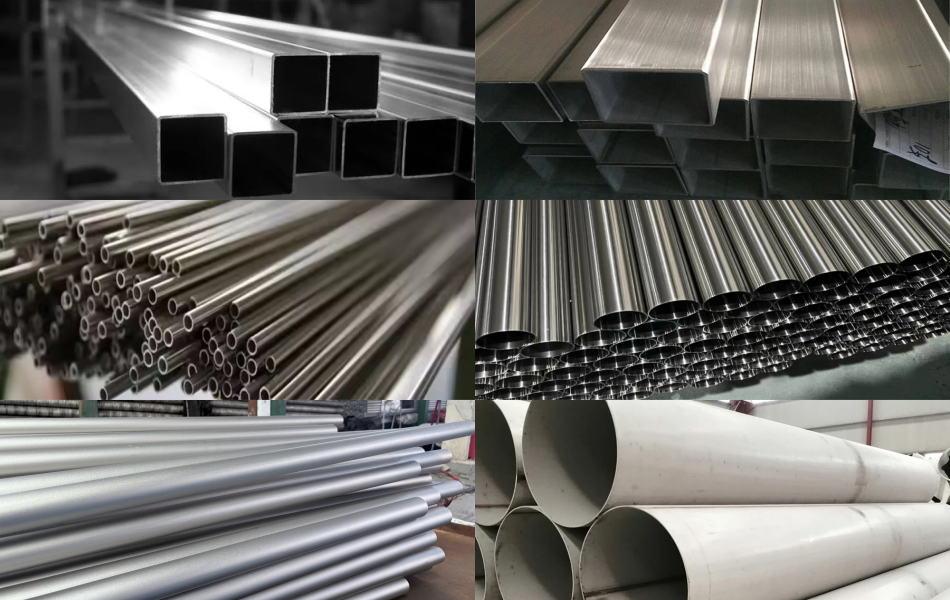
304 stainless steel pipe is an austenitic stainless steel with excellent corrosion resistance, heat resistance, and low temperature strength.
Manufacturing Process of 304 Stainless Steel Pipe
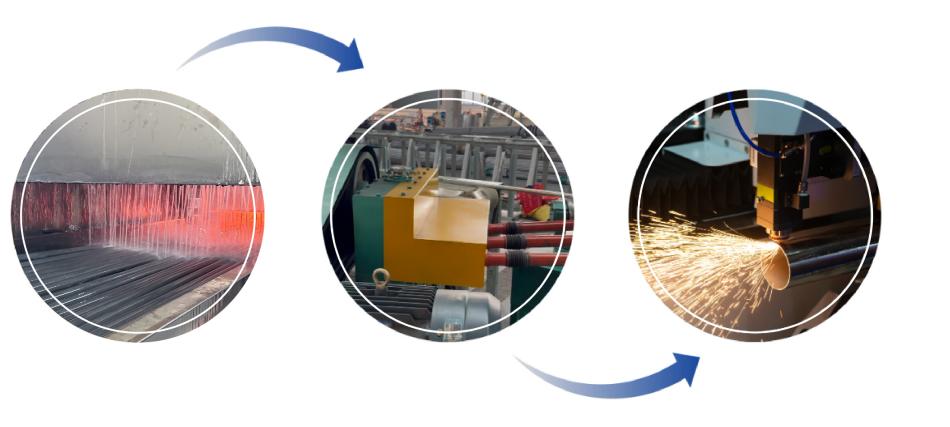
304 stainless steel pipes are produced through a series of processes, including cold rolling, hot rolling, and welding. Here’s a brief overview of the manufacturing process:
Cold Rolling
Reduces the thickness of the steel sheet while improving its mechanical properties.
Hot Rolling
Achieves the desired thickness and shape of the steel pipe.
Welding
Ensures the integrity and strength of the steel pipe.
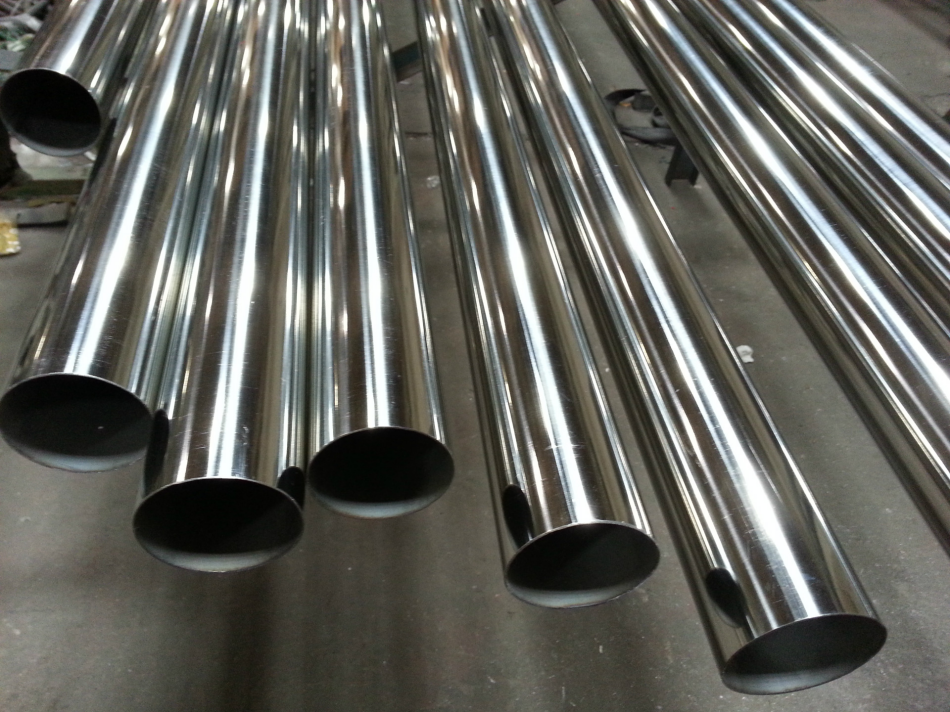
Surface treatment is crucial for enhancing the appearance and performance of 304 stainless steel pipes. Common surface treatments include:
Polishing: Improve surface smoothness and reflectivity, suitable for industrial equipment.
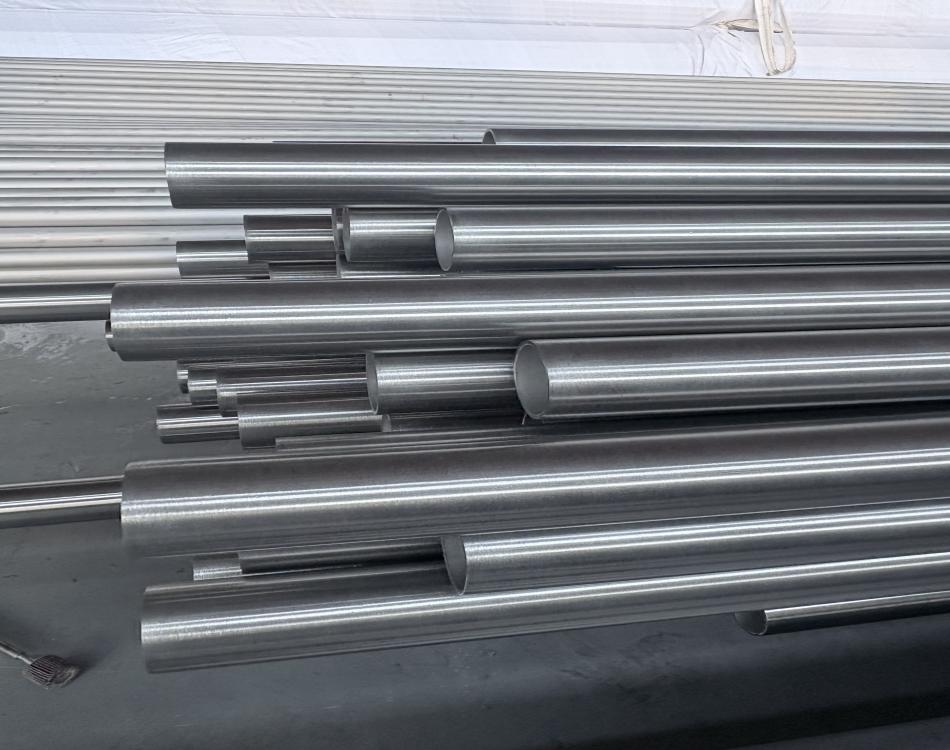
Pickling: Matte roughness, remove surface oxides and impurities, used in decoration and food industries.
Wire drawing: Fine texture, anti-fingerprint, suitable for home building materials
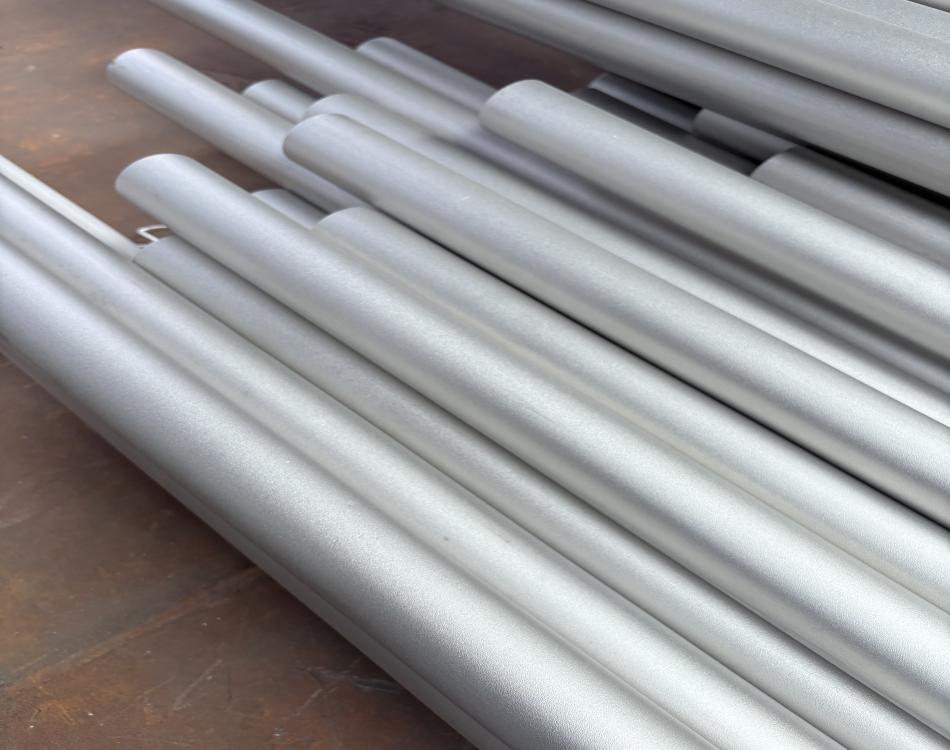
How to Choose 304 Stainless Steel Pipe
When selecting 304 stainless steel pipes, consider the following factors:
Material certification: Check whether it complies with ASTM A312 or ASME SA312 standards15.
Surface inspection: No cracks, scratches, and uniform surface treatment.
Dimensional accuracy: The outer diameter and wall thickness must meet the engineering requirements.
|
Parameter
|
Standard value
|
Allowable error
|
|
Outer diameter (OD)
|
10-500 mm
|
±1%
|
|
Wall thickness (Thickness)
|
0.5-20 mm
|
±10%
|
Supplier qualifications: Choose manufacturers with ISO certification (such as Wuxi Qiuhe Technology Co., Ltd.).
In Conclusion
Choosing the right 304 stainless steel pipe is essential for ensuring the quality and performance of your project. By understanding the material’s properties, manufacturing processes, and selection criteria, you can make an informed decision.


